
Summer 2026 has seen five heatwaves thus far, with temperatures reaching 37.7 degrees C in some parts of the country and much of the UK now in drought.
While sunshine is, of course, welcome, such high temperatures can wreak havoc at home… particularly for the driveway.
How can heatwaves cause damage to driveways?
How your driveway handles the heat will depend on the materials you’ve used.
Asphalt
As the mercury rises, asphalt becomes soft and more pliable, which makes it easier for parked vehicles to cause divots and impressions, leading to surface damage.
Concrete
Concrete is a more heat-resistant material than asphalt but you may find that it starts to crack during summer in any case, as it expands in line with fluctuating temperatures. Sunlight can also cause discolouration of the surface material.
Resin
While resin driveways are specifically designed to be more UV-resistant than other materials, there is still the potential for cracking to occur during the summer, particularly if the driveway hasn’t been installed properly in the first instance.
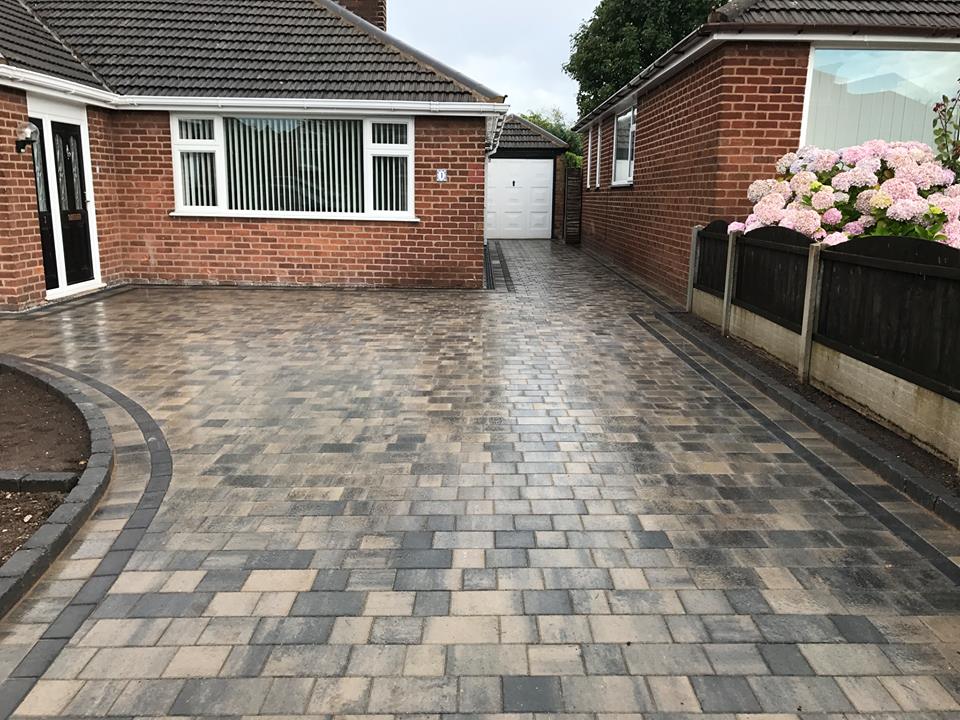
Block paving
Not a huge amount can go wrong with block paving and natural stone during summer, but you may find that the finish starts to fade or discolour. Blocks can also move around a little if the subbase becomes too dry.
How to protect your driveway during hot summers
There are various measures you can put in place to protect your driveway and ensure longevity, including:
Applying a sealant
A good-quality sealant will help to protect your driveway from UV rays and thermal cracks. Applying a coating every two to three years will help prolong its life.
Clean up spills quickly
If you notice any oil, fuel or chemicals on your driveway during the summer, wash them down with mild soap and water, or a pressure washer, as decay can take hold far more quickly when surface materials are hot.
Avoid sharp turns
Because some driveway materials soften in high temperatures, changing your driving style can help protect the ground. Don’t turn sharply, for example, and try not to move the steering wheel while the car is stationary as this can cause scuffs and tears when the ground is soft.